
Introduction
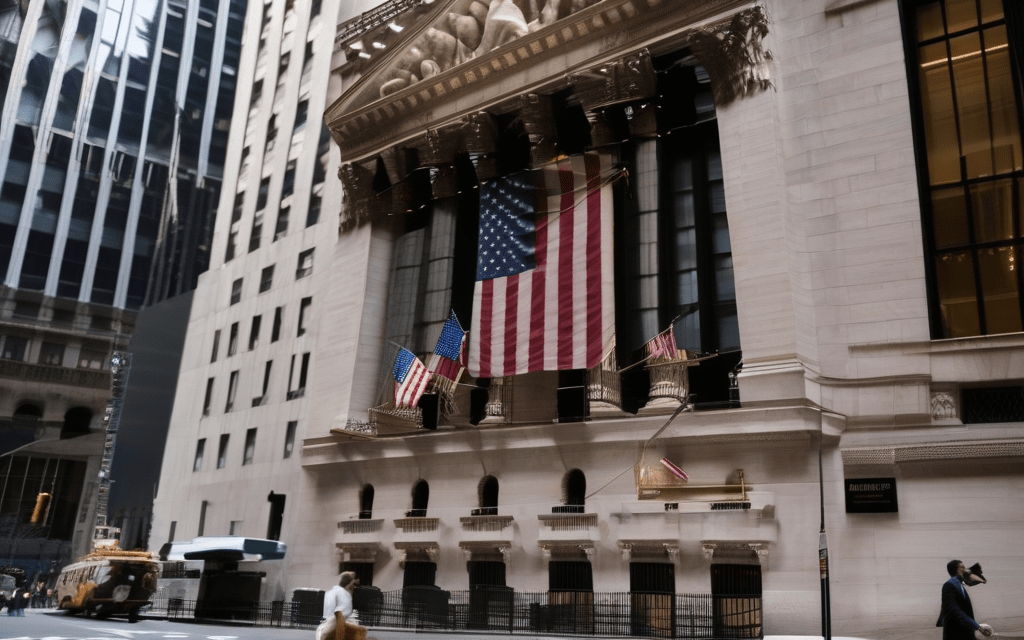
Robinhood’s much‑heralded startup fund entered the New York Stock Exchange with high expectations, promising investors a diversified exposure to early‑stage technology companies while leveraging Robinhood’s massive retail user base. The debut, however, quickly revealed a gap between hype and market reality, as the fund’s share price faltered and trading volumes lagged behind projections. This article examines the underlying reasons for the stumble, from the fund’s structural design and investor sentiment to regulatory scrutiny and the broader impact on Robinhood’s brand. By dissecting each element, we aim to understand whether this setback is a temporary misstep or a signal of deeper challenges for the brokerage’s venture‑capital ambitions.
The Fund’s Ambitious Premise
The startup fund was positioned as a low‑minimum‑investment vehicle that would give everyday traders access to a basket of private‑stage startups, a segment traditionally reserved for institutional capital. Robinhood marketed the product as a democratizing force, emphasizing low fees, real‑time trading, and seamless integration with its existing app. The underlying portfolio was constructed through a partnership with several venture‑capital firms, each contributing equity stakes in high‑growth companies. While the concept resonated with the platform’s younger demographic, critics warned that the valuation methodology—largely based on recent private‑round pricing—could be volatile once the fund faced public market pressures.
Market Reception and Trading Dynamics
On the first trading day, the fund opened at a modest premium to its net asset value (NAV) but quickly slipped below it, erasing roughly 8% of its initial value within hours. Analysts attributed the decline to three primary factors:
- Liquidity mismatch: The fund’s underlying assets are illiquid, yet shareholders expected the same ease of exit as typical equities.
- Price discovery uncertainty: Without a long track record, market makers struggled to set a stable price, leading to wide bid‑ask spreads.
- Investor skepticism: Retail participants, still wary after recent market turbulence, hesitated to allocate capital to a novel, untested product.
These dynamics amplified the fund’s volatility, prompting a wave of sell orders that overwhelmed the limited order book.
Regulatory and Governance Hurdles
Beyond market forces, the fund encountered heightened regulatory scrutiny. The Securities and Exchange Commission (SEC) flagged concerns about:
- Transparency of the underlying private‑company valuations.
- Potential conflicts of interest, given Robinhood’s dual role as broker and fund promoter.
- Compliance with the Investment Company Act of 1940, which imposes strict reporting standards on publicly traded funds.
In response, Robinhood pledged to enhance disclosure practices and appoint an independent board committee to oversee the fund’s governance. However, the regulatory lag added another layer of uncertainty for investors, who now faced the prospect of additional compliance costs and possible restrictions on future fund offerings.
Impact on Robinhood’s Ecosystem
The stumble reverberated across Robinhood’s broader platform. User sentiment dipped, as reflected in a 12% rise in negative social‑media mentions within 48 hours of the debut. Moreover, the episode diverted attention from Robinhood’s core brokerage services, temporarily slowing new account openings. On the upside, the situation sparked internal discussions about diversifying revenue streams beyond commission‑free trading, prompting the company to explore more traditional asset‑management products that may carry lower risk profiles.
Future Outlook and Strategic Adjustments
Looking ahead, Robinhood must address both the fund’s structural weaknesses and the perception challenges that surfaced during the NYSE debut. Potential strategic moves include:
- Introducing a secondary market for fund shares to improve liquidity.
- Rebalancing the portfolio toward later‑stage companies with clearer exit pathways.
- Strengthening compliance frameworks to satisfy regulator expectations and rebuild investor trust.
By implementing these adjustments, Robinhood can transform the current setback into a learning opportunity, positioning the startup fund for more sustainable growth in a market that increasingly values transparency and risk mitigation.
Conclusion
The rocky NYSE debut of Robinhood’s startup fund underscores the difficulty of merging venture‑capital exposure with retail‑friendly trading mechanics. While the fund’s innovative premise captured attention, liquidity constraints, pricing ambiguity, and regulatory concerns quickly eroded investor confidence. The episode has illuminated gaps in governance and highlighted the need for clearer disclosure and stronger market‑making support. For Robinhood, the challenge now is to recalibrate the product, address the highlighted shortcomings, and reassure a skeptical user base. If the platform can successfully navigate these hurdles, the fund may yet become a cornerstone of a broader, more resilient asset‑management strategy that aligns with both retail enthusiasm and prudent investment standards.